

Can I Wear a Breast Prosthesis With Any Bra? What Makes a Bra Suitable
Not necessarily any bra—but you do not always need a special mastectomy bra either.
A breast prosthesis can often be worn in a well-fitting regular full-cup bra if the cup provides enough coverage and support to keep the form comfortably in position. A pocketed bra is another option if you prefer the extra containment of an internal fabric pocket.
What matters most is not the label on the bra. It is whether the breast form fits inside the cup properly, stays reasonably stable when you move and does not make the bra uncomfortable.
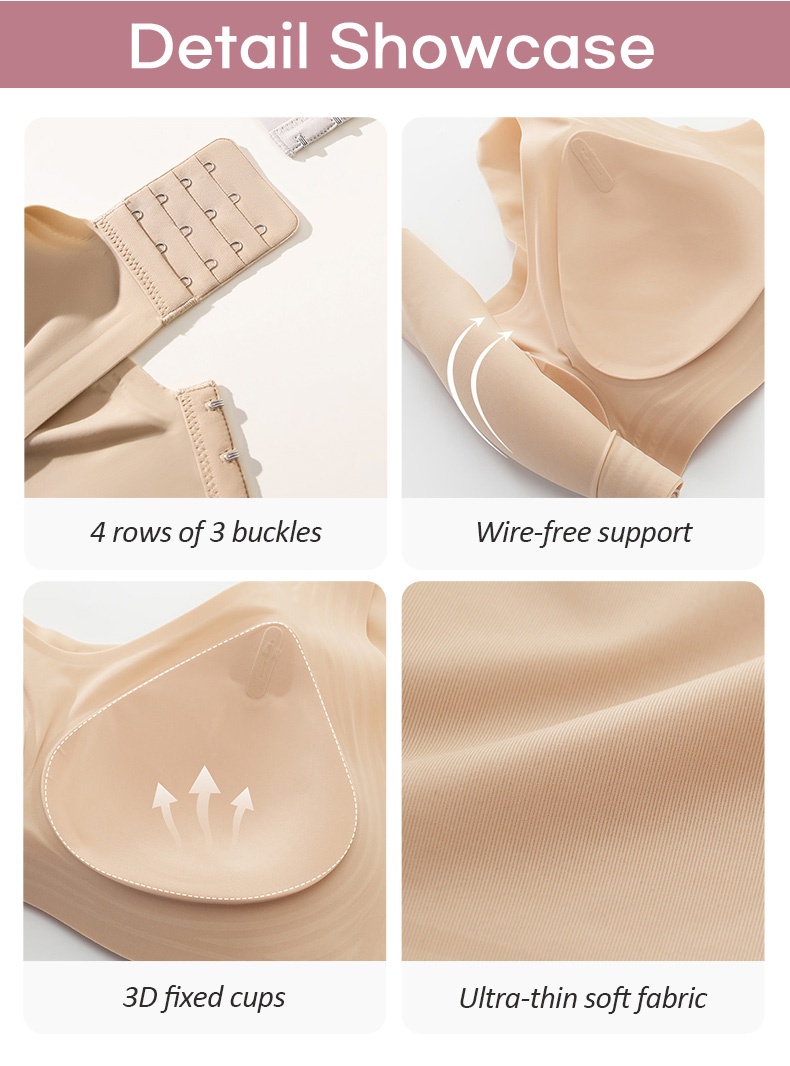
A breast form may sit directly inside a sufficiently supportive full cup if the shape and fit keep it stable.
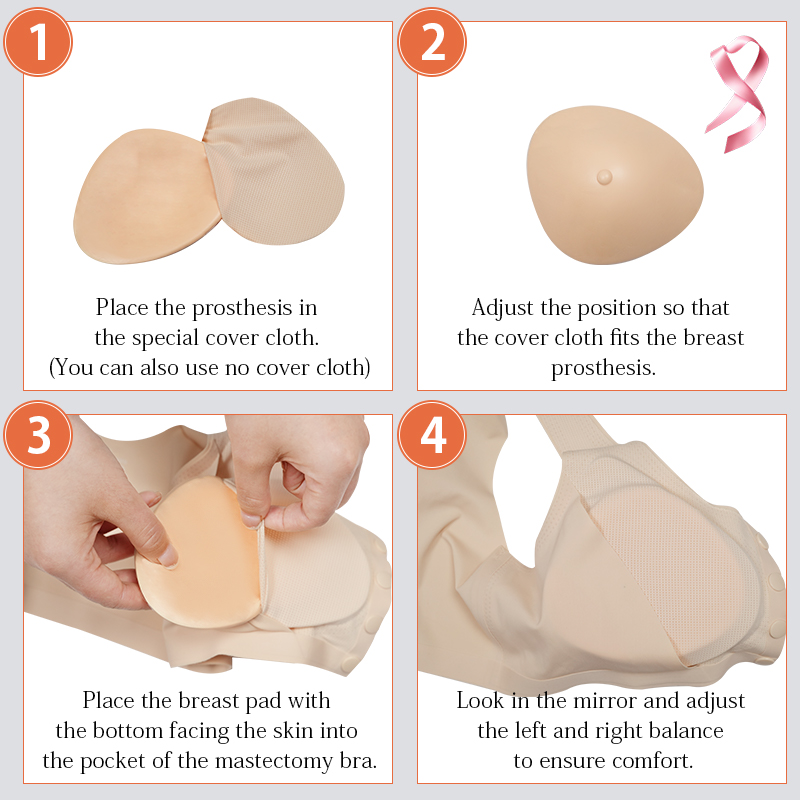
The removable breast form slides into the pocket, which can provide additional containment and more consistent positioning.
What makes a bra suitable for a breast prosthesis?
A useful bra needs to do more than simply have enough empty space inside the cup. It should help the breast form sit in the position you want without excessive movement.
For many people, the most important features are fit, cup coverage, stability and comfort.
A simple rule: if your breast form stays comfortably in position during normal wear, the cup contains it securely, and the bra itself fits well, a regular bra may be perfectly suitable.
1. Start with a stable bra fit
A breast form cannot make a poorly fitting bra work well. If the band is too loose, the entire bra may move. If the cup is much too large, the prosthesis may shift within it. If the cup is too small, the form may be compressed or pushed upward.
The band should sit securely around your body without painful pressure, and the cups should remain in position as you move.
If you are unsure whether the bra itself fits correctly, see how a mastectomy bra should fit .
2. Cup coverage can make a big difference
A full-cup bra is often easier to use with a breast prosthesis because there is more fabric around the form. That extra coverage can help reduce the chance of the prosthesis moving over the cup edge.
Very low-cut styles may provide less containment, particularly if the breast form is relatively full or does not closely match the shape of the cup.
This does not mean every low neckline is unsuitable. The practical question is whether your particular prosthesis remains secure in that particular bra.
Suitable vs less suitable features for a breast form
These are fit clues rather than strict rules. A bra in the “less suitable” column may still work if your breast form remains secure and comfortable.
Gives more fabric around the breast form and can improve containment.
May give a larger breast form less support around its upper edge.
Helps the whole bra remain in position during everyday movement.
Can allow the entire bra—and the breast form—to move more than intended.
Contains the form without squeezing or leaving excessive empty space.
May allow movement or push the prosthesis into an uncomfortable position.
Adds a dedicated fabric compartment for more defined positioning.
May not provide enough containment for some heavier or fuller breast forms.
3. Check stability when you move
A bra can appear suitable while you are standing still and feel very different after a few minutes of movement.
Try a simple everyday movement check.
Walk around, sit down and move through the normal range of motion that is comfortable and appropriate for you. The breast form should stay reasonably close to the position where you placed it rather than noticeably sliding, rotating or moving toward the neckline.
If the form moves repeatedly, first check the bra fit and cup shape. A pocket can help, but it is not the only possible solution.
4. When does a pocketed bra help?
A pocketed mastectomy bra adds a layer of fabric behind the cup. The breast prosthesis sits inside that compartment instead of resting freely inside the cup.
Some people prefer this because it can make positioning feel more consistent, reduce unwanted movement and keep a fabric layer between the prosthesis and the body.
If you want to understand the construction in more detail, read what a pocketed mastectomy bra is .
Do I need a pocketed bra for a breast prosthesis?
No, not automatically.
A well-fitting regular full-cup bra is often enough to hold a breast prosthesis securely. Some ordinary bras can also be adapted by adding a fabric pocket if you like the bra but want additional containment.
The decision is therefore less about “regular versus mastectomy” and more about whether the construction solves a real fit problem for you.
What about lightweight vs heavier breast forms?
The breast form itself can affect which bra works best. A lightweight form may be easier for a softer bra to contain, while a heavier silicone prosthesis may feel more stable in a bra with stronger cup and band support.
Shape matters too. A form that closely matches the cup can behave differently from one that is too wide, deep or narrow for the bra.
- The bra band stays level and secure
- The breast form fits fully inside the cup
- The neckline gives enough coverage for your form
- The prosthesis does not noticeably shift during normal movement
- The cup is not squeezing or folding the breast form
- The bra remains comfortable for the period you wear it
For care and everyday use after you have chosen a breast form, continue to our breast prosthesis everyday-use guide .
If you prefer a dedicated prosthesis pocket
If your regular bra already keeps your breast form stable, you do not need to change it simply because a specialist option exists.
If you prefer a defined internal pocket, however, a pocketed mastectomy bra can make placement more straightforward.
FAQ: Can I wear a breast prosthesis with any bra?
Can I put a breast form in a regular bra?
Yes, sometimes. A well-fitting regular full-cup bra may hold a breast form securely without a dedicated pocket. Check that the form remains comfortable and stable during normal movement.
Do I need a special bra for a breast prosthesis?
Not always. A specialist pocketed bra can provide extra containment, but many people can use a supportive regular full-cup bra if it fits the prosthesis well.
What type of bra is best for a breast prosthesis?
There is no single best style for everyone. Look for secure band fit, sufficient cup coverage, appropriate cup depth and enough support to keep your particular breast form comfortably positioned.
Will a breast prosthesis fall out of a regular bra?
It should not if the cup provides enough coverage and the bra and breast form fit well together. If the form moves toward the neckline or shifts repeatedly, try a different cup shape, better fit or pocketed option.
Can I add a pocket to a regular bra?
Yes. Some ordinary bras can be adapted by sewing suitable stretchy fabric behind the cup to create a prosthesis pocket. Specialist alteration services may also offer this option.
Is a pocketed bra more secure than a regular bra?
A pocket can provide additional containment and may help some people position their breast form more consistently. But a well-fitting full-cup regular bra can also be secure enough, depending on the breast form and fit.