

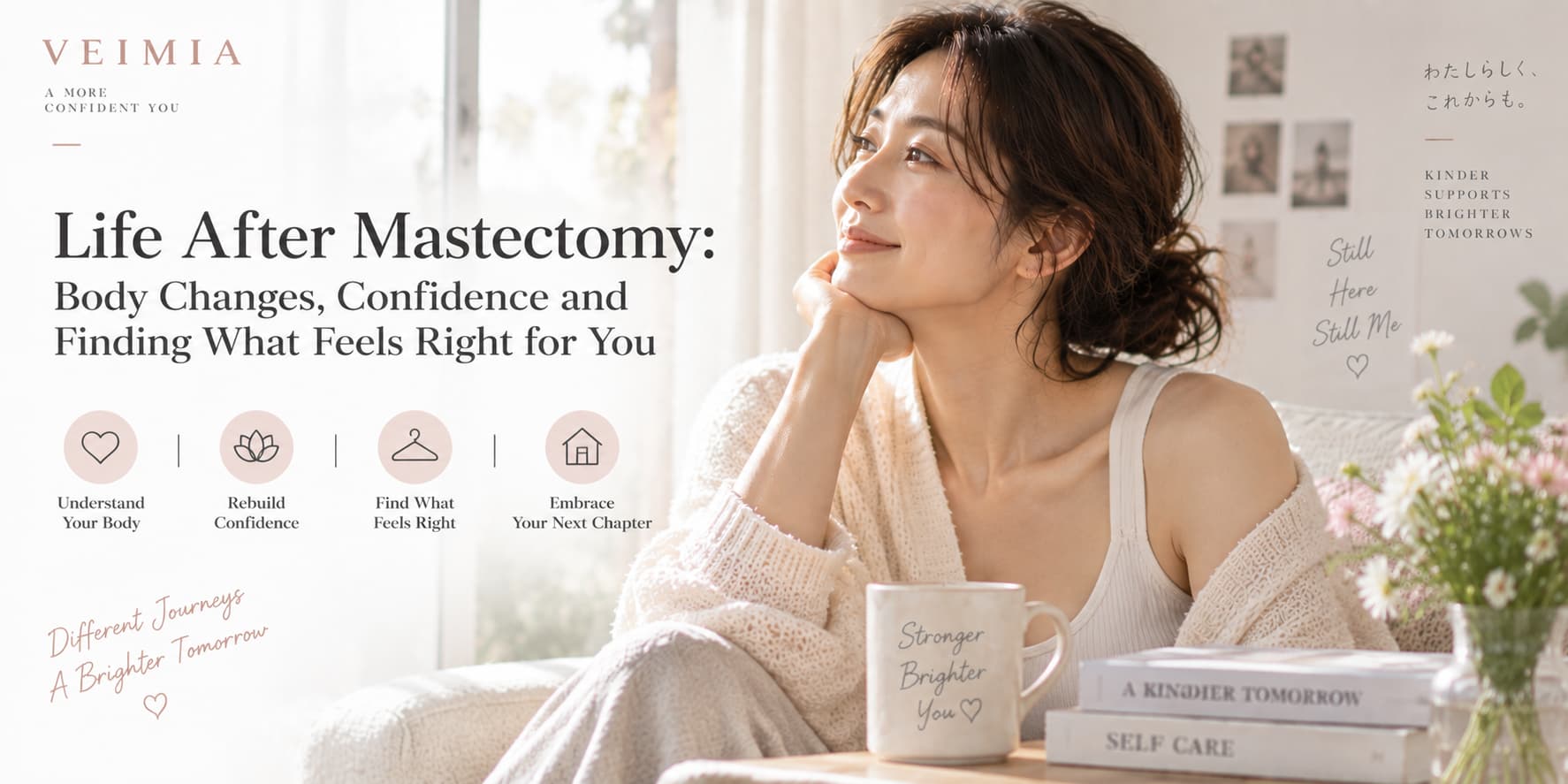
Life After Mastectomy: Body Changes, Confidence & Finding What Feels Right for You
Life after mastectomy is not about finding one perfect way to look or feel. It is about getting to know a changed body, rebuilding everyday comfort at your own pace, and deciding what matters to you now.
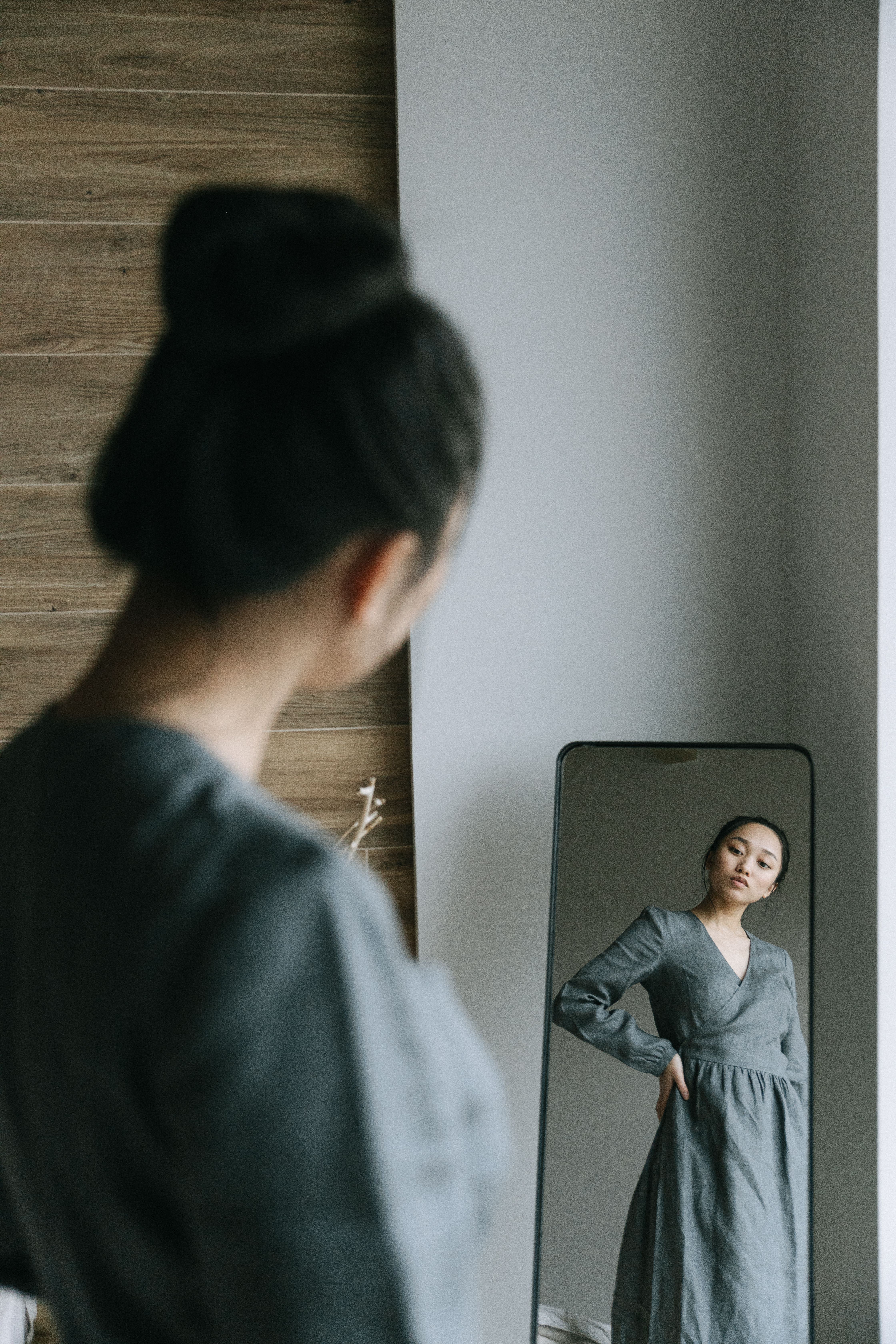
What is life after a mastectomy like? There is no single answer. Your body may look, move and feel different after surgery. Clothing may fit differently. Sensation may change. Confidence may come and go. Some people choose to remain flat, some wear a breast prosthesis, and some have reconstruction. None of these choices is the universal “right” one.
You also do not have to look the same as before—or immediately feel positive about every change—to be moving forward.
Life after mastectomy can contain many ordinary moments: getting dressed, standing in front of a mirror, returning to work, meeting friends, sleeping on your side, choosing what to wear to dinner.
Yet these ordinary moments can feel unexpectedly different after breast surgery.
A familiar blouse may fall differently. A scar may feel tight one day and barely noticeable another. You may find yourself thinking carefully about something that once required no thought at all.
For some people, those changes are emotionally significant. For others, they are mostly practical. Many experience a mixture of both.
The aim of adjusting is not necessarily to return to the exact person you were before surgery.
It can be something gentler: learning what feels comfortable now.
Life After Mastectomy Is Not One Single Experience
The phrase life after mastectomy can sound as though there is one clear transition: surgery happens, healing follows, and eventually life becomes ordinary again.
In reality, recovery rarely follows such a neat line.
The physical experience depends on the type of surgery you have had, whether lymph nodes were removed, whether reconstruction was performed, and whether other cancer treatments are part of your care.
Emotional experiences vary just as widely.
Someone may feel relief that surgery is over and sadness about losing a breast at the same time. Another person may feel unexpectedly comfortable with a flat chest. Someone else may barely think about appearance at first because fatigue, appointments and family life take up more immediate space.
There is no emotional checklist you have to complete.
Nor does adjustment happen on a fixed schedule.
Recovery is not a test of how quickly you can become the person you were before.
Sometimes it is the gradual process of discovering how you want to live now.
Getting Used to a Changed Body
One of the quieter parts of living after mastectomy is simply becoming familiar with your body again.
The first time you see your chest after surgery can feel significant—or surprisingly matter-of-fact. Later, different moments may bring different reactions.
A mirror can feel neutral one morning and complicated the next.
Changes may include scars, swelling during recovery, asymmetry, changes in breast or chest shape, numbness or altered sensation. Some people also experience tightness or changes in shoulder and arm movement.
These physical changes can affect body image, but body image after mastectomy is about more than whether you like your appearance.
It can include how familiar your body feels, how comfortable you feel being seen, how clothes sit on you, how you experience touch, and whether you still recognise yourself in everyday gestures.
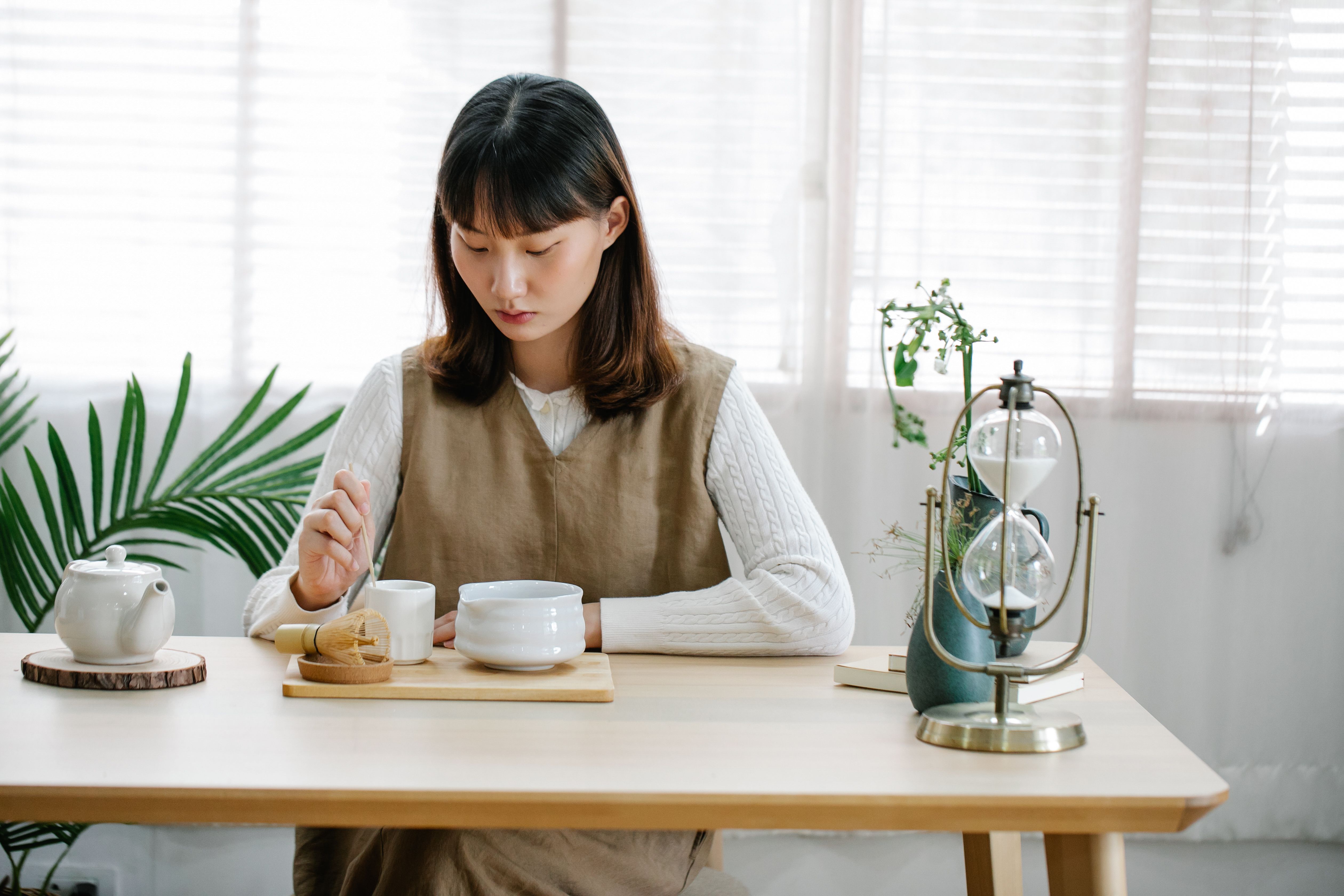
You may find that looking is easier than touching. Or touching may feel easier than looking.
You might want to understand every physical change immediately. Or you may need distance for a while.
Both can be reasonable responses.
You Do Not Have to Feel Positive All the Time
Conversations about confidence after mastectomy sometimes move too quickly toward positivity.
“Love your new body.”
“Embrace the new you.”
“Be proud of your scars.”
Those ideas can feel meaningful for some people.
But they can also become another expectation.
Body Neutrality vs Forced Body Positivity
You do not have to immediately love every change to have a respectful relationship with your body.
“I should be grateful, so I should not feel sad about how my body has changed.”
“My body has been through something significant. I do not have to judge how I look today.”
Body neutrality leaves space between loving your body and disliking it.
It can mean recognising your body without making appearance the centre of every thought.
Perhaps your chest looks unfamiliar, but your arms still hold someone you love.
Perhaps you do not feel beautiful today, but you feel comfortable.
Perhaps confidence currently means leaving the house in a soft T-shirt without thinking about your silhouette for an hour.
That counts too.
Clothing and Comfort May Feel Different
Getting dressed can become unexpectedly important after breast surgery.
At first, practical comfort may matter most. Healing skin, drains, swelling, limited arm movement or tenderness can influence what feels wearable.
Later, the questions often change.
Do you still like the neckline of a favourite dress? Does a shirt pull differently on one side? Do you prefer soft fabrics against your chest? Would you rather wear a breast form with this outfit—or not?
There is no universal post-mastectomy wardrobe.
For more practical wardrobe ideas, continue to Getting Dressed After Mastectomy .
Going Flat, Breast Forms and Reconstruction: Three Valid Choices
After mastectomy, conversations about appearance can sometimes make it sound as though there is a natural “next step.”
There is not one.
Depending on your medical circumstances, preferences and access to care, you may decide to remain flat, use an external breast prosthesis or explore breast reconstruction.
The important point is that these choices are not levels of recovery.
Remain Flat
Some people choose not to reconstruct a breast and do not routinely wear an external breast form. Aesthetic flat closure may be discussed with a surgeon when a smooth, flat chest contour is desired.
Breast Prosthesis
An external breast form can create breast shape under clothing without additional breast reconstruction surgery. It can be worn regularly, occasionally or only with certain outfits.
Reconstruction
Breast reconstruction uses surgical techniques to recreate breast shape and can sometimes happen during mastectomy or at a later stage, depending on individual circumstances.
There is no correct answer hiding among these three choices.
The useful question is which option—if any—fits your body, medical situation, lifestyle and preferences.
You may also move between choices.
Someone may live flat most of the time and wear a prosthesis with certain clothes. Another person may use a breast form for years and later decide to discuss reconstruction.
Another may choose reconstruction immediately.
None of those decisions says anything about how feminine, confident or “recovered” someone is.
If you are considering the non-surgical option, read Do I Need a Breast Prosthesis? .
Returning to Everyday Routines
The milestones that matter after surgery are not always dramatic.
Sometimes it is being able to wash your hair comfortably.
Driving again when your medical team says it is safe.
Going for a walk without thinking about every movement.
Returning to work.
Wearing something because you like it rather than because it feels like “post-surgery clothing.”
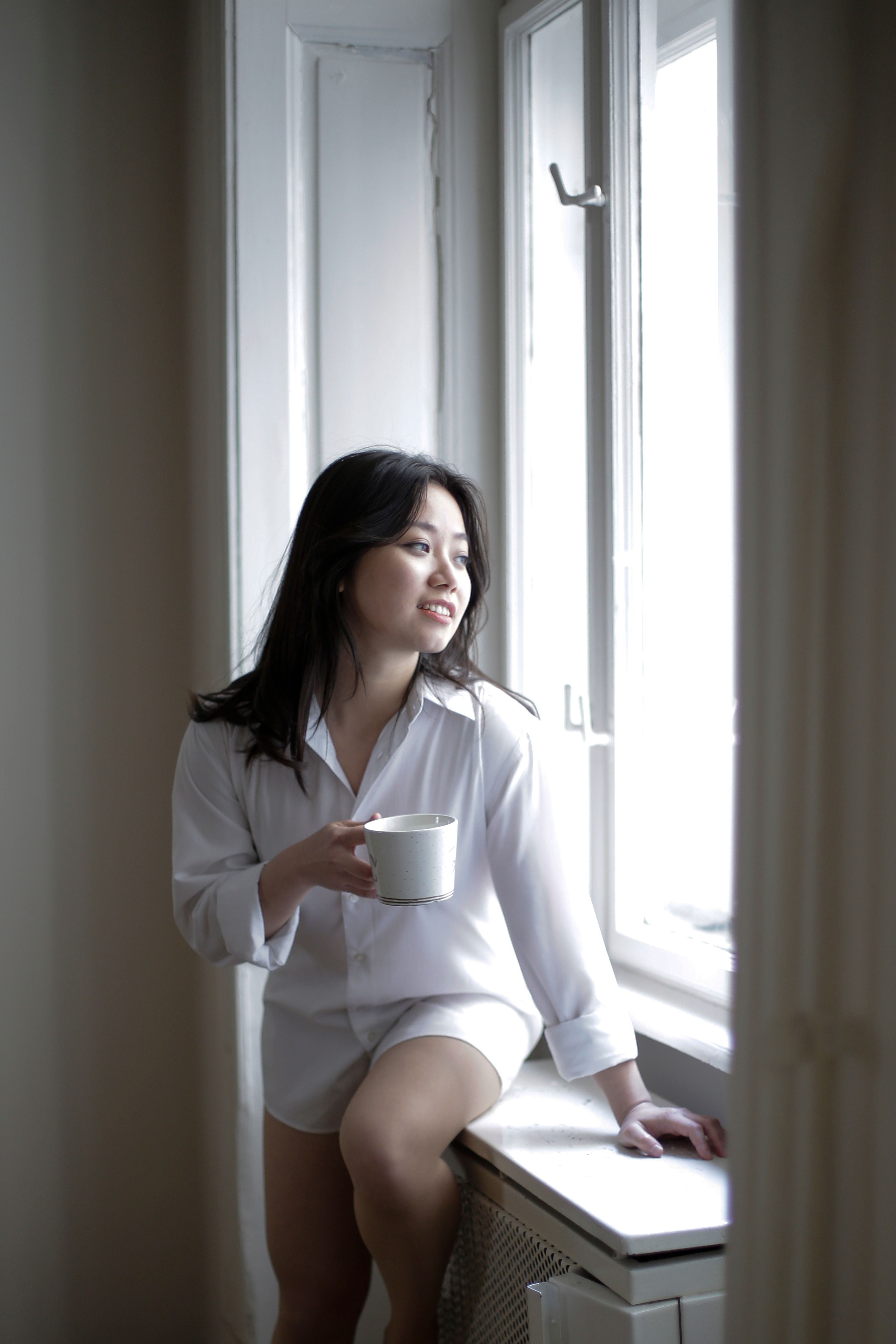
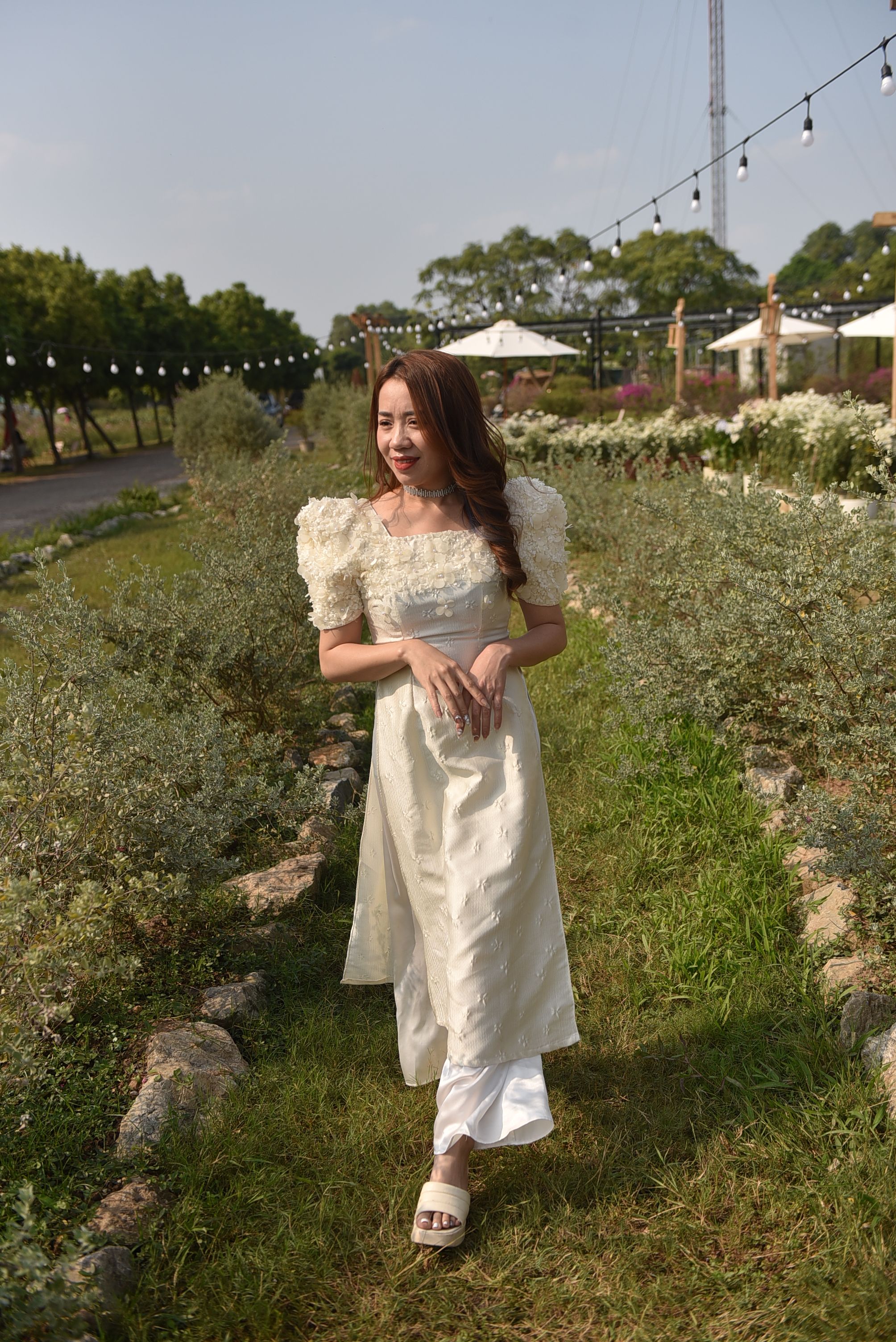
Physical recovery is individual, so follow your surgical team's advice about lifting, driving, exercise and returning to specific activities.
Emotionally, it can also help to think in smaller increments.
Instead of asking, “When will everything feel normal?” you might ask:
- What feels manageable this week?
- Which activity gives me energy rather than taking it away?
- Is there something I want to try again?
- What still feels uncomfortable enough to discuss with my care team?
Progress may be visible only when you look back.
Talking to Partners, Friends and Family
Other people may care deeply about you and still not know how to talk about your changed body.
Partners may worry about saying the wrong thing or touching an area that is sensitive. Friends may avoid the subject entirely. Family members may assume that because treatment has ended, everything should feel easier.
You are not responsible for managing everyone else's discomfort.
But when you want to, clear language can help.
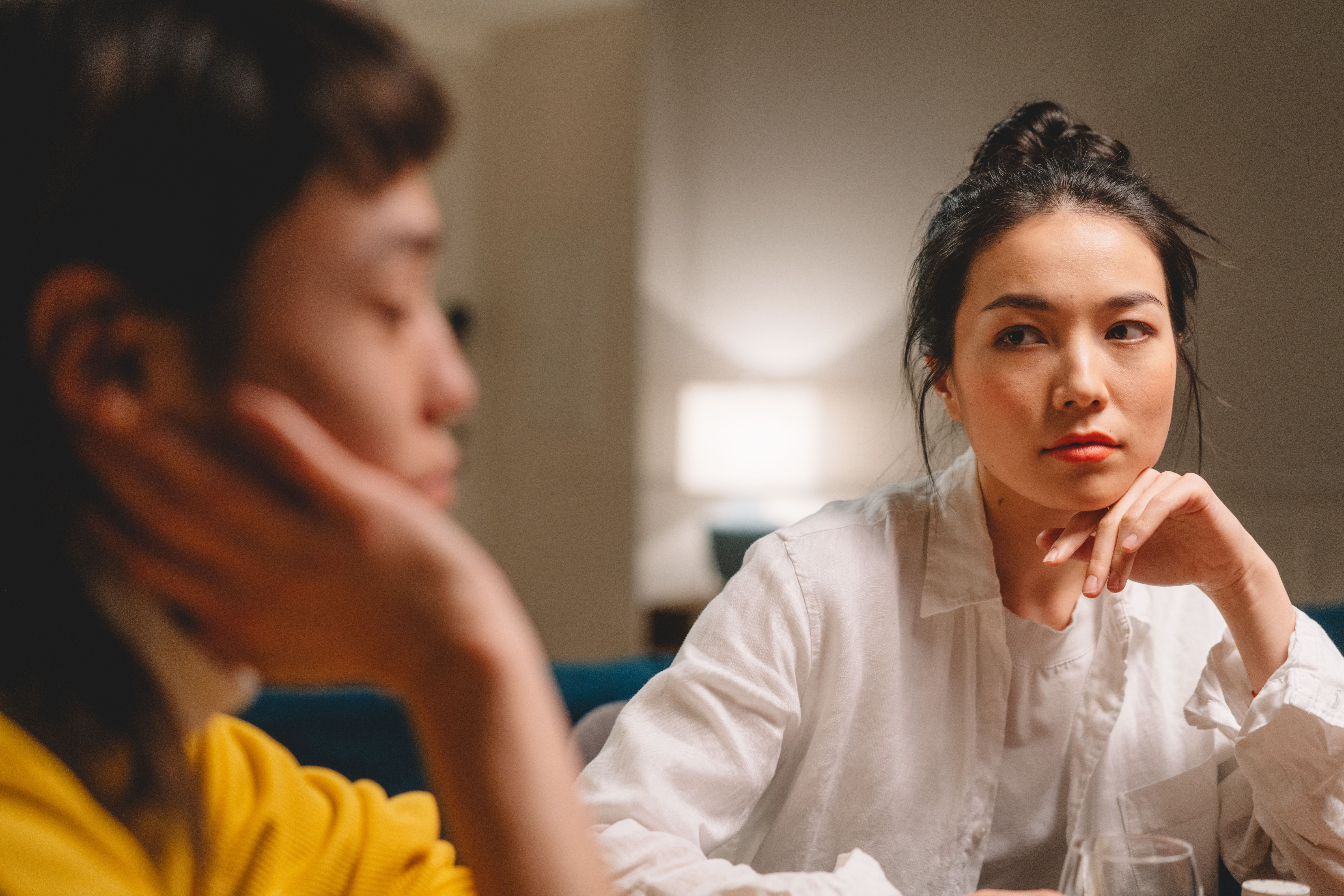
Intimacy can also change after mastectomy.
Some people feel comfortable being seen soon after surgery. Others want more time. Sensation may be different, and an area that once felt pleasurable may feel numb, sensitive or simply unfamiliar.
There is no deadline for returning to sexual intimacy or for deciding how you want your chest to be touched or seen.
For family members, partners and friends who want to help more thoughtfully, continue to our Caregiver Guide: How to Support Someone After Breast Cancer Surgery .
Finding What Feels Right for You
There is a subtle difference between asking:
“How can I make my body look like it did before?”
and asking:
“What would help me feel comfortable in my body and my life now?”
The second question leaves more room.
Room to wear a breast form—or not.
Room to pursue reconstruction because you genuinely want it, rather than because you believe you are expected to.
Room to remain flat.
Room to care about clothes one day and not care at all the next.
Room to feel confident without loving every scar.
Room to change your mind.
You do not have to become your old body again to build a life that feels like yours.
Comfort, confidence and identity are personal. They can also evolve.
That may be one of the most important things to understand about life after mastectomy.
There is no single appearance that proves you have recovered.
No required relationship with your scars.
No correct amount of confidence.
And no obligation to make your body reassuring to other people.
What matters is finding the combination of medical care, comfort, support, clothing, practical choices and emotional space that works for you.
It may take time.
That does not mean you are doing it wrong.
From the VEIMIA Pinkbook Breast Care Series
→ Breast Cancer Awareness Month 2026 Hub → Do I Need a Breast Prosthesis? → Getting Dressed After Mastectomy → Caregiver Guide: How to Support Someone After Breast Cancer SurgeryLife After Mastectomy: Frequently Asked Questions
What is life like after a mastectomy?
Life after mastectomy varies from person to person. Physical recovery, sensation, body image, clothing comfort, emotional adjustment and confidence can all change over time. Some people adapt quickly in certain areas while needing much longer in others.
How do you adjust to body changes after mastectomy?
Adjustment can be gradual. It may help to give yourself time to become familiar with scars, changes in sensation and a different silhouette, while choosing clothing and daily routines that feel comfortable. There is no requirement to immediately feel positive about every change.
Do I have to look the same as before my mastectomy?
No. There is no requirement to recreate your previous breast shape. Depending on your circumstances and preferences, you may remain flat, wear an external breast prosthesis or consider reconstruction.
Is it normal to struggle with body image after mastectomy?
Body-image responses vary widely after breast surgery. Feeling unfamiliar with your changed body, grieving aspects of your previous appearance or having mixed feelings does not mean you are recovering incorrectly. If distress is persistent or affecting daily life, support from your healthcare team or a qualified counsellor can be helpful.
Do I have to feel confident after mastectomy?
No. Confidence after mastectomy may fluctuate. Body neutrality—allowing your body to exist without requiring yourself to love every change—can be a more realistic approach for some people than feeling pressure to stay positive.
What are my options after mastectomy if I do not want reconstruction?
Depending on your circumstances, you may choose to remain flat or use an external breast prosthesis. A breast form may be worn regularly, only with certain clothes, or not at all. Discuss medical and surgical considerations with your healthcare team.
Can I change my mind about wearing a breast form or reconstruction later?
Preferences can change over time. Some people move between living flat and wearing a breast form, while delayed reconstruction may be possible for some patients. Whether a later surgical option is medically suitable should be discussed with the appropriate surgical team.
Medical note: This article is for general education and emotional support and does not replace personalised medical advice. Recovery, exercise, wound care, rehabilitation, breast reconstruction and post-mastectomy options depend on your surgery, treatment history and individual health circumstances. Contact your healthcare team about symptoms, recovery concerns or decisions specific to you.
```